Is 2022 Returning? Why the Current Logistics Crisis Could Follow a Completely Different Scenario

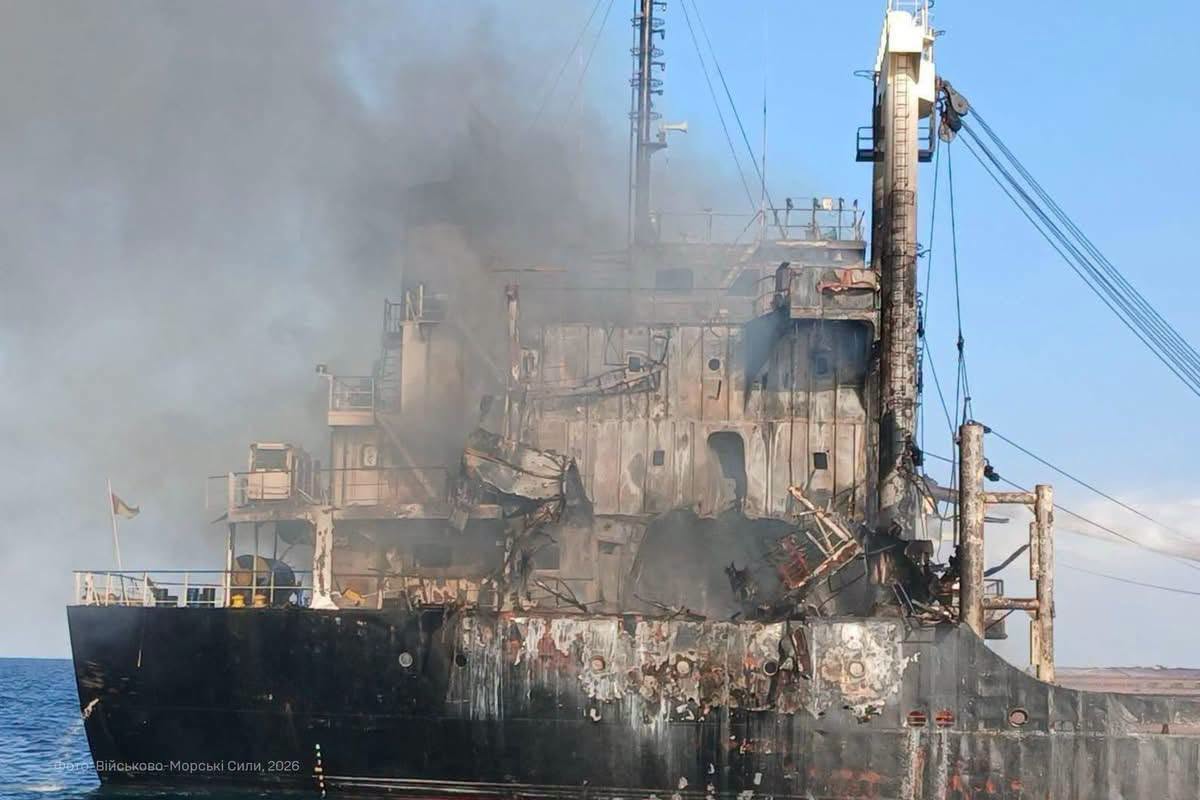
Photo by: Військово-Морські Сили ЗС України / Ukrainian Navy
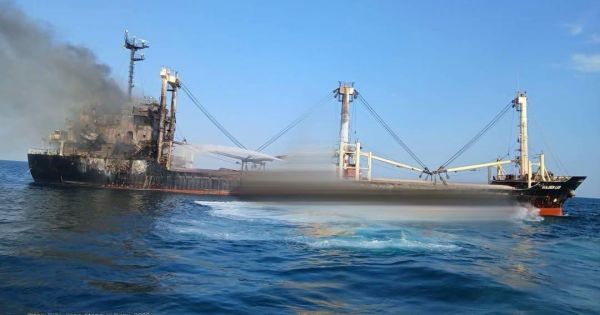
Recent Russian missile strikes on the port infrastructure of Odesa and Mykolaiv, the deaths of seafarers aboard a civilian grain vessel, soaring war-risk insurance premiums and the first signs of rising sea freight rates have immediately brought the market back to memories of 2022. An increasingly common question is now being asked:
Are we witnessing the return of the 2022 logistics crisis?
At first glance, the similarities are obvious. Maritime exports are once again under pressure, market participants are reassessing alternative export routes, and logistics companies are beginning to revise their freight rates. However, a closer look reveals one fundamental difference. Ukraine has already been through this once. The experience gained over the past four years may now become one of the country’s greatest competitive advantages.
The 2022 Crisis Was Never About Demand
When the Black Sea ports were blocked in 2022, many believed Ukraine had lost its export markets. In reality, the problem was very different. Europe opened its borders to Ukrainian agricultural products, while global demand for grains and oilseeds remained strong. The real bottleneck was not demand—it was logistics. Neither Ukraine nor Europe had the infrastructure required to process tens of millions of additional tonnes of grain moving through entirely new trade corridors.
Rail border crossings, transshipment terminals, locomotives, wagons and road checkpoints quickly became the weakest links in the supply chain.
A classic congestion effect emerged. Every additional railcar or truck arriving at the border increased waiting times for everyone else. Longer queues translated into higher logistics costs. Higher logistics costs pushed farmgate prices lower.
As a result, the free market could not rebalance supply and demand. Demand certainly existed, but grain simply could not reach buyers fast enough. Ukraine accumulated massive domestic grain stocks while international markets continued to experience supply shortages.
Producers simultaneously faced falling grain prices, rapidly increasing logistics costs, compensation payments for transport delays and quality deterioration caused by months-long transit times. For many farmers, that period could be summarized in one simple phrase: No grain. No cash.
Today Logistics Is No Longer an Unknown

Four years of war have fundamentally transformed Ukraine’s export infrastructure. In 2022 the market was trying to understand how much grain could physically move through the western border or via the Danube. Today those limits are well understood.
Rail exports through the western border have stabilized at approximately 1.2 million tonnes per month. Road transport contributes another 600,000 tons. The Danube port cluster is capable of handling approximately 2.5 million tons per month.
In other words, even under a scenario where maritime exports are completely disrupted, Ukraine already has a tested alternative export system capable of moving around 4.4 million tons every month.
This does not eliminate logistics risks and extra costs. But it does mean that the market now understands the physical limitations of the system and can anticipate its behaviour far better than it could in 2022.
The European Market Now Operates Under Very Different Rules
Another fundamental difference between 2022 and 2026 lies in the evolution of trade relations between Ukraine and the European Union.
Back in 2022, the EU’s primary objective was to establish alternative export channels for Ukrainian agricultural products following the blockade of the Black Sea ports. To achieve this, Brussels introduced an almost unrestricted trade regime, allowing Ukrainian grain to enter the European market with minimal barriers.
However, this policy also created significant market distortions in some EU countries. Instead of moving in transit toward their final destinations, large volumes of Ukrainian grain remained within neighbouring EU member states. This led to sharp declines in domestic grain prices across Poland, Romania, Bulgaria, Hungary and Slovakia, triggered widespread farmer protests and ultimately forced the European Commission to reconsider its approach.
Today, the regulatory framework is fundamentally different. Tariff quotas have been reintroduced for a number of Ukrainian agricultural products, while imports of certain commodities into neighbouring countries remain heavily restricted. As a result, Ukraine’s western border now functions primarily as a transit corridor rather than a destination market. Most cargoes are expected to continue their journey toward European ports, processors or end-users in other member states.
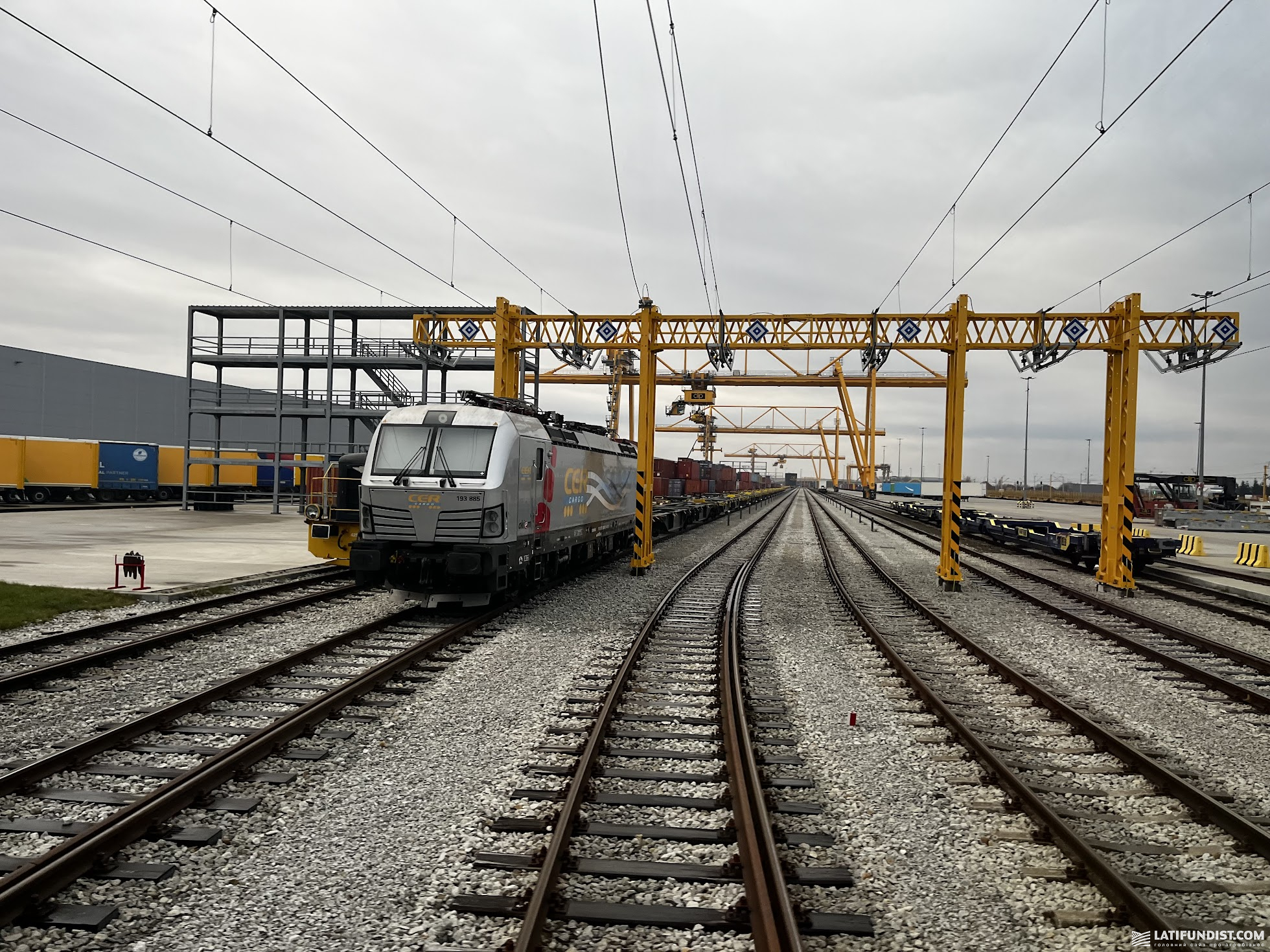
This significantly changes the entire logic of the export system. In 2022, a substantial share of Ukrainian grain could remain within neighbouring countries. Today, almost every tonne entering the EU must continue toward its final destination. Consequently, greater pressure is placed on European railway infrastructure, transshipment terminals and inland logistics networks throughout the European Union.
Logistics Has Also Become Much More Efficient
The economics of logistics have changed dramatically as well. During 2022-2023, transporting grain from central Ukraine to the western border could cost €70-90 per ton. European rail transport to destination markets added another €65-80 per ton. Total logistics costs frequently exceeded €150 per ton, absorbing a substantial share of the commodity’s value.
Today, transport to the western border costs approximately €25-30 per tonne, while European inland logistics average €35-45 per tonne. Even if freight rates increase over the coming weeks, the market is starting from a significantly more competitive cost base than it did four years ago.
The Danube Is the First to React
At the same time, the Danube corridor currently appears to be the most vulnerable part of Ukraine’s alternative export network. Exceptionally low water levels have already reduced barge loading capacity. Meanwhile, the available barge fleet has declined considerably since the reopening of the Black Sea shipping corridor in 2023. Many barges were relocated to other regions, while others were simply scrapped because freight rates on the Danube had fallen to levels that no longer justified maintaining older vessels.
This explains why the market reacted so quickly to the latest developments. Freight rates for barges to Constanța have already doubled—from roughly USD 12 to USD 30 per ton. It demonstrates how even relatively small increases in demand can immediately tighten available capacity.
The Biggest Difference Is Not Logistics—It Is Finance
Perhaps the most important structural change has occurred within the financial position of Ukrainian agriculture. In 2022, many producers urgently needed working capital. Selling grain was not a commercial decision—it was a matter of survival.
Today, the situation is fundamentally different. According to the National Bank of Ukraine, the country is experiencing its longest period of credit expansion in more than fifteen years, while the agricultural sector’s loan portfolio has already exceeded its pre-war level, reaching UAH 161 billion. At the same time, grant programmes and private investment have enabled many farms to significantly expand on-farm storage capacity, allowing them to safely store two or even more harvests.

This means that for many producers, selling grain “at any price, immediately” is no longer an unavoidable necessity.
This Could Fundamentally Change Market Behaviour
In 2022, logistics constraints triggered forced selling. In 2026, producers have much greater flexibility in determining when and how much grain to market.
That changes everything. Limited export capacity no longer automatically translates into excessive domestic supply. If producers distribute sales more evenly over time, the global market may instead face a tighter supply of Ukrainian grain—potentially supporting international prices rather than depressing domestic ones.
Conclusion
Recent events undoubtedly resemble the early days of 2022. Yet the market itself has changed dramatically. Ukraine’s logistics system is more mature. Alternative export routes are fully tested. Financial resilience among producers has improved substantially. Trade relations with the European Union have evolved into a more structured and regulated framework.
For this reason, the greatest mistake would be making today’s commercial decisions based solely on the fears of four years ago.
The coming months will require producers not to sell faster, but to manage logistics, price risk and marketing timing more effectively. That is precisely where the role of a trading partner has fundamentally changed. Finding a buyer is no longer enough. The real value lies in helping producers develop marketing strategies that maximize profitability under conditions of rapidly changing logistics and market uncertainty.
This is the role we believe Spike Brokers plays. Our objective is not simply to arrange grain sales, but to help producers make commercial decisions that protect profitability regardless of how logistics, freight markets or global grain fundamentals evolve in the months ahead.
Oleksandr Solovey, Co-owner & CEO at Spike Brokers