Immediate ban on existing crop protection products upon EU accession could threaten up to 30% of Ukrainian agricultural production and up to 50% of exports — study
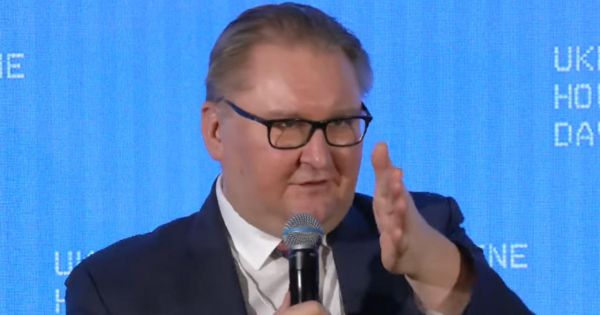
If Ukraine were to immediately ban its currently used crop protection products (CPPs) upon joining the EU, up to 30% of national agricultural production and up to 50% of exports would be at risk, according to Viktor Pohorilyi, Head of the Agrochemical Committee at the European Business Association (EBA).
According to data from NULES and HFFA, annual crop losses could reach 14 million tons, with economic losses estimated at $4.3 billion and a 20% drop in gross output. Expected declines in key exports include wheat — down 34%, sunflower oil — down 34%, and rapeseed — down 22%.
Pohorilyi clarifies that the approximate 30% figure is higher than the 20% cited in the study because there are many additional factors that would further reduce total production. Part of the output would be lost directly to pests, fungal diseases, and other damage. Some crops would lose their commercial quality due to insect damage, while others simply would not be grown because the production process would become significantly more expensive.
Moreover, the NULES assessment includes only six major crops (wheat, corn, sunflower, barley, soybeans, and rapeseed), while the consequences would affect all agricultural production. For example, Ukraine grows millions of tons of potatoes, almost all of which rely on seed treatment products. However, after joining the EU, most of these treatments would become illegal because EU legislation sharply restricts their use.
“The same goes for orchards. We already lack enough registered products for niche crops because registering a single product for them costs millions of hryvnias. Given the relatively small production volumes, it’s not economically feasible. So if we ban what we already have — it’s entirely unclear how we will grow fruits and vegetables,” Pohorilyi added.