An extra $6 per tonne of wheat: How POLETEKHNIKA exported grain to Egypt through INBULK’s trade corridor


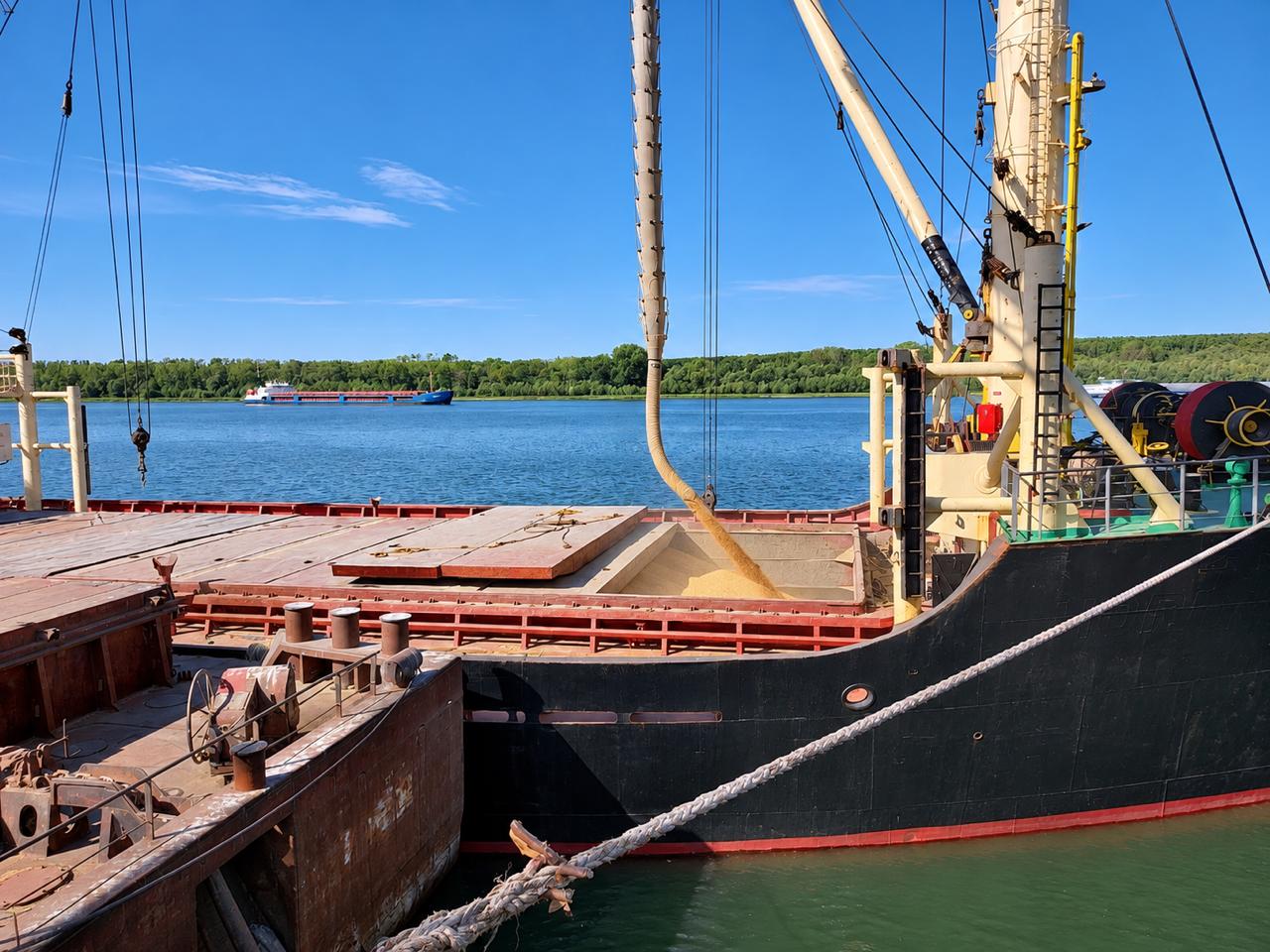
Photo by: INBULK
Unhappy with the price offered for your wheat? What if you sold it directly to a mill in Egypt? But turning a higher price into money in your account also means finding a vessel, handling the paperwork and delivering the grain to the buyer. Who arranges all this, and how much does the seller ultimately keep?
“For an exporter, it is important not only to agree on a price and sign a contract, but also to see the delivery through to completion,” says Ihor Sierov, Deputy Director for Foreign Trade at POLETEKHNIKA.
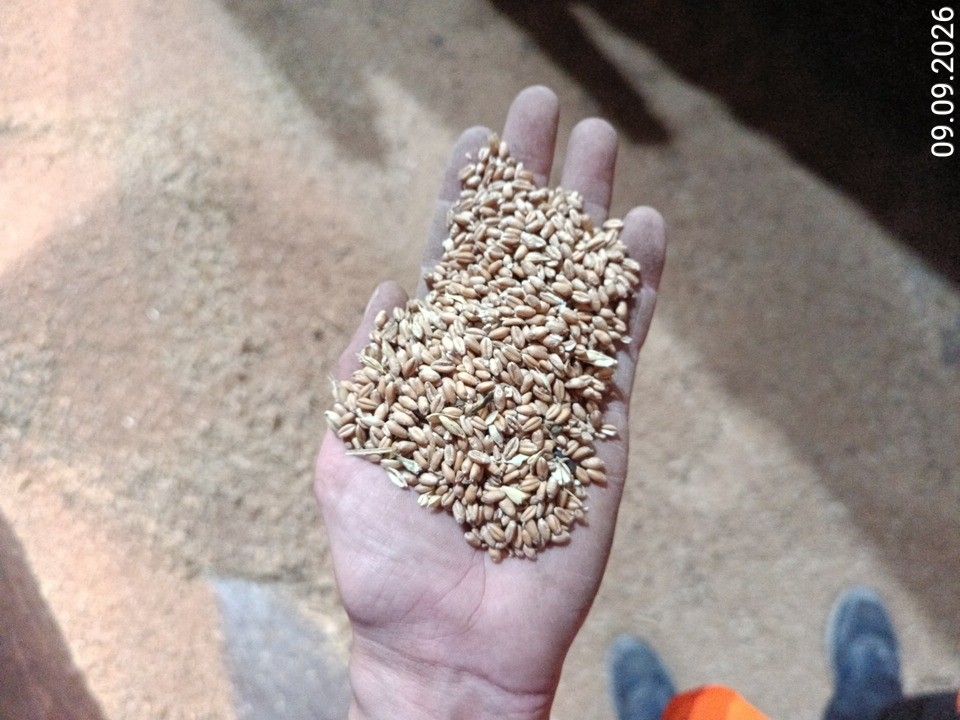
The company delivered 7,000 tonnes of wheat to Egyptian businesses operating their own mills. The grain was shipped from Ukraine’s small ports to Abu Qir, with INBULK teams in Ukraine and Egypt supporting the transaction. The buyers received the wheat, and the seller received payment in full.
According to POLETEKHNIKA, the transaction delivered a return $6 per tonne higher than a sale on FOB terms. How was the shipment arranged, and what should companies considering direct sales to overseas buyers take into account?
From plans to delivery
Egypt could become a market where Ukrainian producers sell grain directly to local buyers. INBULK CEO Oleksandr Romaniv discussed these plans with us in June. At the time, the company was working on shipping arrangements, without which entering the market would have been impossible.
Almost six months later, we revisit the conversation.

Oleksandr Romaniv
CEO, INBULK
“Now we can do more than talk about our platform — we can show how it works in practice.”
The team has just completed the delivery of 7,000 tonnes of POLETEKHNIKA’s wheat to Egyptian mills. The cargo was loaded at Ukraine’s Danube ports and discharged at the port of Abu Qir.
POLETEKHNIKA began considering direct sales to overseas buyers as falling prices prompted it to look for more profitable sales options. The transaction itself was carried out through INBULK.
Agreeing on a price and signing a contract does not mean the sale is complete. The grain still needs to reach the buyer and payment must be collected, with every stage coordinated among the parties involved.

Ihor Sierov
Deputy Director for Foreign Trade, POLETEKHNIKA
“The INBULK team helped maintain communication between the parties and resolve day-to-day issues. We see this as a positive experience of working together.”
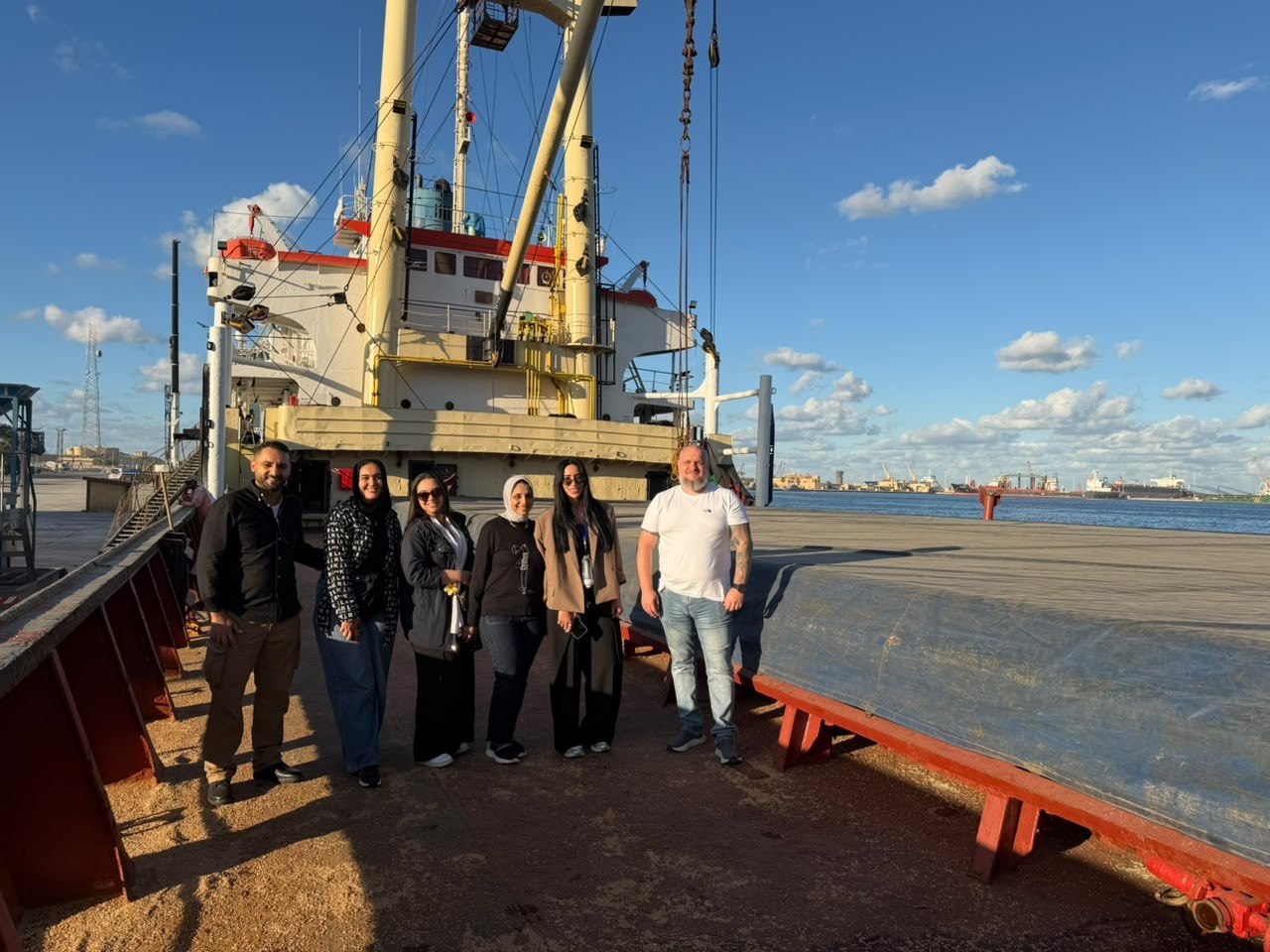
INBULK’s Egyptian office clarified buyers’ requirements, stayed in contact with colleagues in Ukraine and handled local import and grain discharge procedures.

Nayera Sedik
Head of Commercial and Sales, INBULK Egypt
“That is precisely why having an office in Egypt and a team of agricultural trade specialists is important to us.”
What goes into an extra $6 per tonne?
The transaction delivered a return for POLETEKHNIKA that was $6 per tonne higher than a sale on FOB terms and $15 per tonne higher than a sale on CPT terms, says Ihor Sierov. The company attributes this premium to selling grain directly to local buyers, including processors.
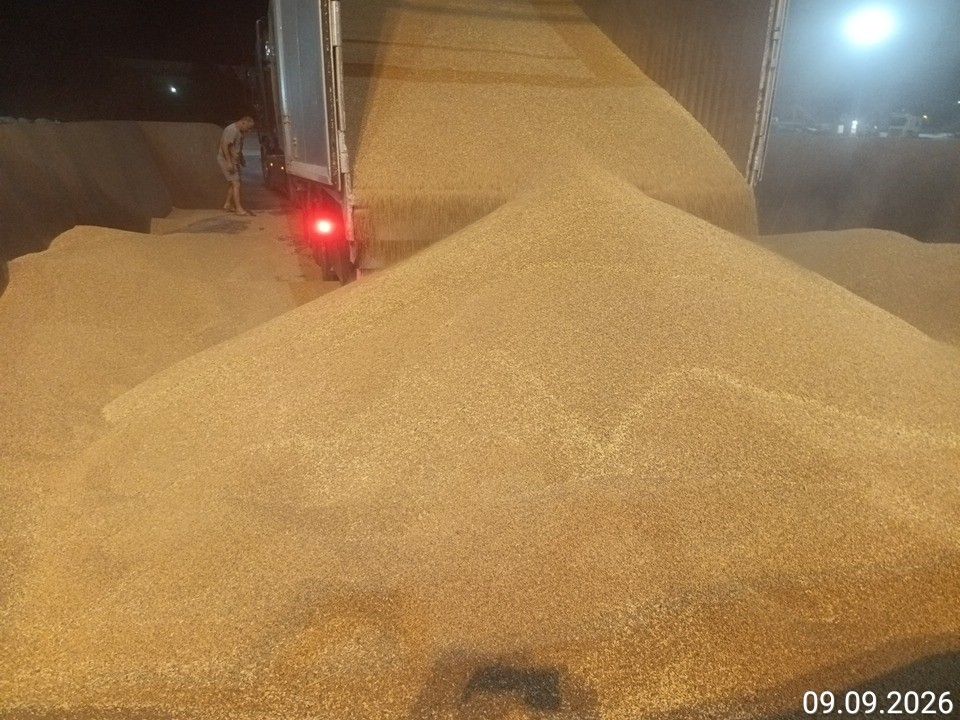
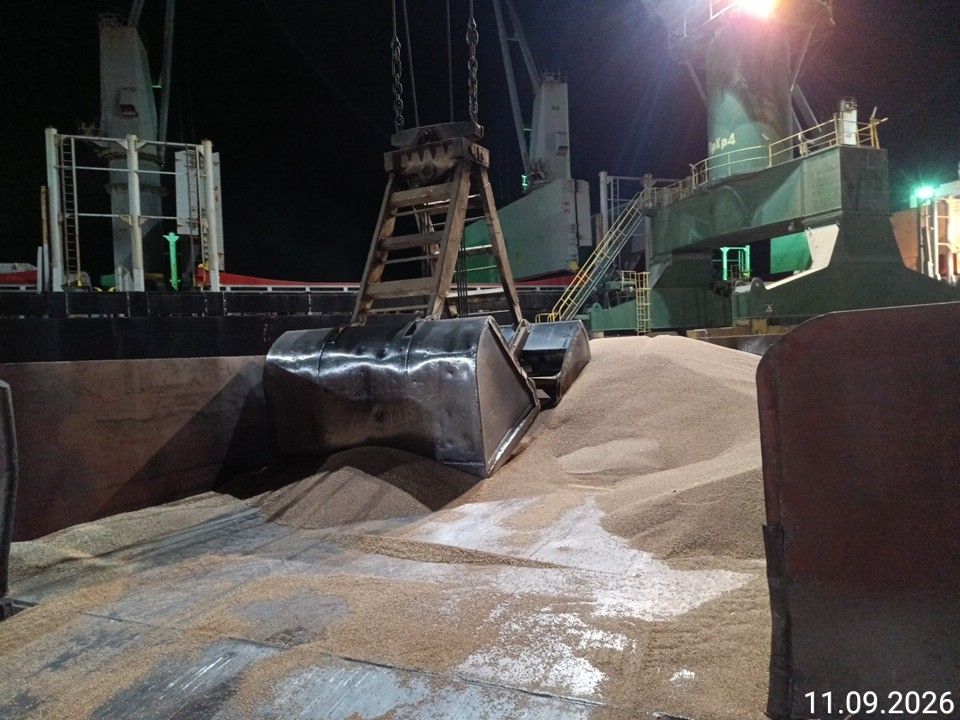
However, the difference between prices in Ukraine and abroad does not, on its own, show whether such a shipment is worthwhile. The additional revenue needs to be weighed against the costs and the time it takes to receive payment.
INBULK compares the options by factoring in transport, cargo handling, freight, storage, insurance and other costs, as well as payment timelines.

Yurii Romaniuk
CMO, INBULK
“If selling locally delivers a better return, that needs to be clear too. What matters is that producers choose their sales channel based on the numbers.”
He stresses that these figures reflect the outcome of one particular transaction. Demand, grain quality, costs and payment terms are assessed separately for each subsequent shipment.
The deal is online. Delivery takes people
The platform allows a seller to conclude a deal with an overseas buyer and track its progress. But the work does not end when the contract is signed.
Oleksandr Romaniv
CEO, INBULK
“Next come questions about routing, assembling the cargo, handling, freight, quality, documentation and payments.”
Together with its partners, the INBULK team arranges transport, storage, port handling, vessel chartering, grain quality inspections and discharge into secure storage. It also handles insurance arrangements, documentation and payments.
For POLETEKHNIKA’s shipment, the Egyptian office clarified the mills’ requirements and worked with colleagues in Ukraine on import and discharge arrangements. Support for the transaction therefore extended beyond the online platform.
Ihor Sierov
Deputy Director for Foreign Trade, POLETEKHNIKA
“It is convenient to be able to resolve all transaction-related issues through one platform. But it needs to make the work easier and provide real help. Even with digital tools, people remain essential.”
Sierov adds that communication and the team’s involvement mattered most. When the parties involved in a shipment are in different countries, they need to know who is responsible for the next step and whom to contact with questions.
Sell before shipment or once the grain reaches Egypt?
Agreeing on a deal with a buyer before shipment is one way to sell grain to Egypt. INBULK also offers another option: the seller arranges delivery to a warehouse in Egypt in advance, then sells the grain on the local market.
This means a buyer may not yet have been identified when the cargo leaves Ukraine. Once the grain arrives, the seller can consider offers from local processors. There is, however, an important consideration: storage costs and the time until payment must be factored in.
Under this model, INBULK can arrange delivery and secure storage, find buyers and conduct negotiations. The local office clarifies Egyptian market requirements and coordinates with the Ukrainian team.
Nayera Sedik
Head of Commercial and Sales, INBULK Egypt
“Under this model, clients can work with buyers independently through the platform or involve the INBULK team in finding buyers, negotiating and supporting the sale.”
There is no need for the seller to open an office in Egypt. Before shipping the grain, however, the parties must agree on who will arrange the import, where the cargo will be stored, how it will be sold and how the seller will receive payment.
What if a seller has only a few hundred tonnes?
At meetings with farmers, the conversation usually starts with price, says INBULK CMO Yurii Romaniuk. This is particularly true for smaller farms that sell grain to a limited pool of buyers.
Yurii Romaniuk
CMO, INBULK
“A producer may have quality grain but lack access to other markets and have no idea what terms buyers abroad would offer.”
For POLETEKHNIKA, selling to Egyptian mills delivered a better return than selling on FOB or CPT terms. But this was a vessel-sized cargo. What can a farmer do with just a few hundred tonnes of grain? Chartering a separate vessel for that volume is not feasible. INBULK has addressed this by allowing farmers to combine their grain into a single cargo and ship it together.
Oleksandr Romaniv
CEO, INBULK
“If several farmers have grain of compatible quality and agree on the terms, we can consider assembling a joint export cargo. First, we assess the crop, quality, tonnage, storage location, timing and logistics costs.”
Whether such a shipment is feasible depends on the characteristics of the individual lots and the buyer’s requirements. Payment and insurance terms also need to be assessed separately.
Yurii Romaniuk
CMO, INBULK
“We can help arrange cargo insurance against specified risks and coordinate payments, but this does not eliminate commercial and operational risks.”
For POLETEKHNIKA, this process has already ended with delivery and payment. For the next seller, it will begin with an assessment of their grain, potential buyers and costs. Those calculations will determine whether selling to Egypt can deliver a better return.
Want to sell grain directly to overseas buyers?
Find out how INBULK helps you find an overseas buyer, calculate logistics costs and arrange grain delivery.