
Global Trends vs Ukrainian Realities: How Biotechnologies Are Changing the Future of Food

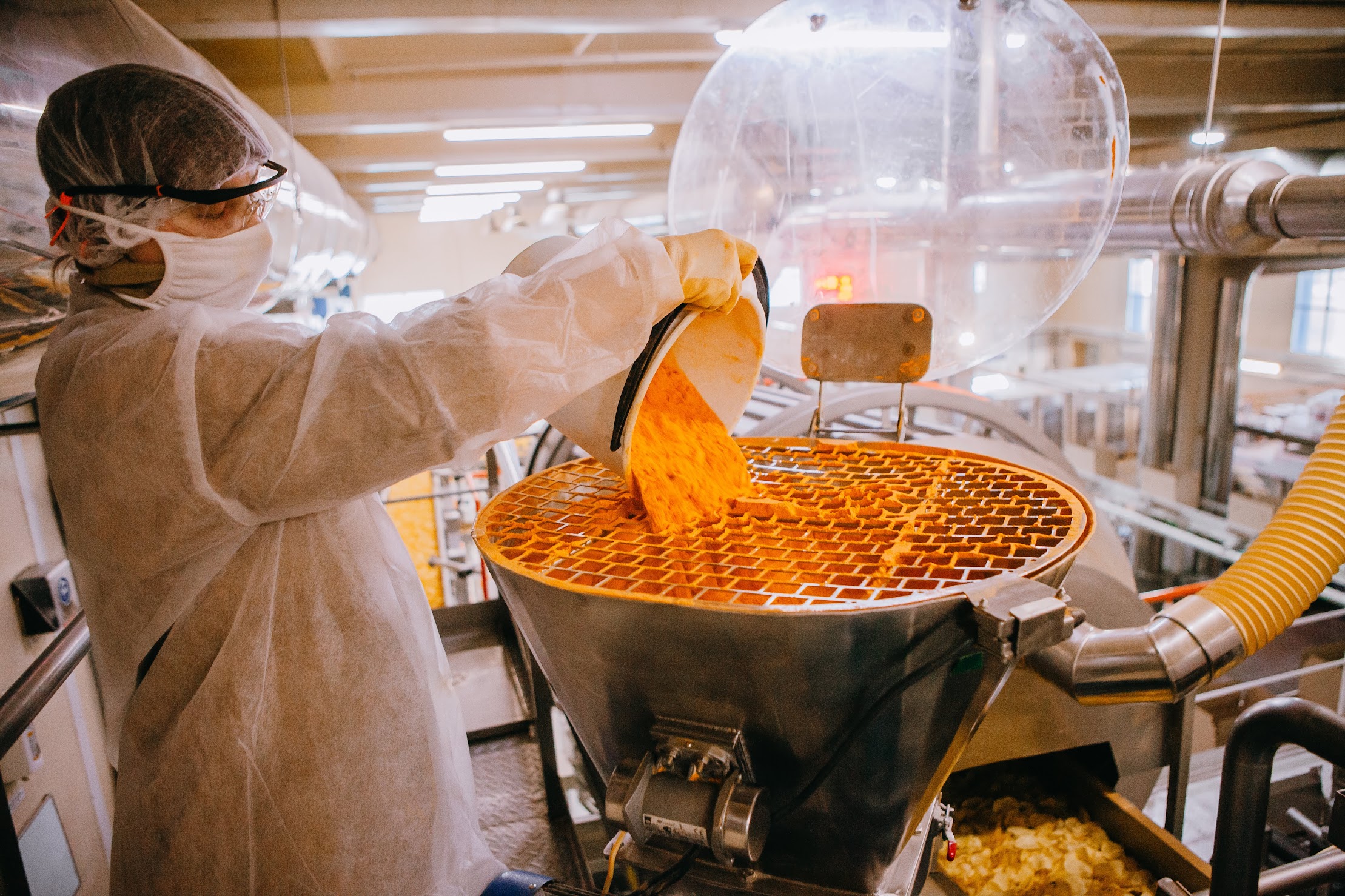
Photo by: Latifundist.com
The global food industry is undergoing profound changes. The focus is on precision, traceability, and multifunctionality. Today, it is no longer enough to create a “one-dimensional ingredient.” It must combine taste, nutritional value, and meet the demand for a “clean label.” This opens up the possibility of repositioning the portfolio of yeast extracts: from an auxiliary component to a complete nutritional solution.
Olena Krasovska, Director of the Enzym Group R&D Center, tells Latifundist.com why the era of cheap fillers in food has no future in the face of growing demand for conscious nutrition. How to turn an ordinary ingredient into a functional solution, and why biotechnology is becoming one of the key ways to win the competition for the consumer.
The market transformation was also noticeable at FI Europe 2025, one of the most important international events of the food industry, held in Paris. The exhibition clearly highlighted the key trends that are already shaping the future of the industry.

Trend 1. Evolution of the protein market: the transition to alternative solutions
The market is actively focusing on products with a high protein content and ingredients to support the digestive system. The majority of protein in the global diet today is of plant origin — about 57%.
In 2020, the volume of consumption of alternative proteins, in particular plant-based meat and milk substitutes, was about 13 million tons, which is only 2% of the total animal protein market. Despite its small share, the sector has significant potential. At the same time, the production of animal products is resource-intensive, using 75% of agricultural land and generating two-thirds of gas emissions.
To balance demand and reduce environmental impact, the global industry is increasing alternative sources of protein. The market forecast is quite optimistic: by 2035, the share of alternative proteins, in particular plant-based and enzymatic, is expected to grow to 11%.
Key categories of alternative proteins
- Plant-based ingredients: the leader among protein alternatives.
- Hybrid formulas: a combination of plant and animal proteins or the use of ingredients obtained through fermentation, which indicates the readiness of consumers for a gradual transition, but not a radical rejection.
- Fermentation-derived proteins: a category with great potential due to nutritional value, production flexibility and environmental friendliness.
Trend 2. Protein boom: how protein becomes a strategy for health and longevity
Today, the world is experiencing a protein boom, which encourages consumers of different generations to enrich their diets with protein. For example, 70% of millennials and boomers consciously increase their protein intake, and more than half of baby boomers seek to increase its level. In general, we can say about the formation of clear consumer expectations: 80% of buyers are convinced that protein provides energy, and 78% are sure that its active use helps maintain strength and muscle mass. Every fifth consumer does not pay attention to the source of protein, while the protein content in the product as a whole is significant.
It is significant that previously such a level of interest was observed among specific groups, such as athletes or vegans, and today a protein-enriched diet is becoming a strategy for active life and healthy aging. Actually, this trend opens up space for new product formats, regardless of their origin: from soy and chickpeas to fermentation and hybrid protein solutions.
Trend 3. Clean label — a basic standard and market requirement
Recipe transparency is now a basic requirement, not a competitive advantage. According to Innova Market Insights, approximately every third consumer in the world analyzes the composition before making a purchase, paying attention to the content of protein, vitamins, fiber, omega-3 and minerals. In fact, these ingredients are becoming the main markers of quality. In Ukraine, this trend is also intensifying. According to research by the Center for Public Health, 23.9% of consumers consciously evaluate the composition of products.
Business obviously cannot ignore market demand, so about a third of new food and beverage products in the world immediately declare a clean label. In Europe, this figure is 35%. The most active countries are Germany, the United Kingdom and France. For manufacturers, this means a change in approach. “Clean label” and clear nutritional value indicators are transforming from additional advantages into a mandatory condition that determines the competitiveness of the product in the market.
Trend 4. A new look at the role of the intestine
Intestinal health is becoming a key priority. Nearly a third of consumers in the US and UK are looking for more products that support the digestive system. A new, integrated paradigm is emerging, with probiotics, prebiotics, synbiotics and postbiotics at its core. Despite its maturity, the probiotics market continues to grow steadily. It is expected to grow from $87.7 billion in 2023 to over $220 billion by 2030, representing a compound annual growth rate of around 14.1%.
The industry is increasingly focusing on postbiotics, which can become one of the most promising market directions. Due to their nature, postbiotics often have the same benefits as probiotics, but significantly surpass them in terms of manufacturability and the absence of undesirable effects. Such products have higher stability, better compatibility with other ingredients and a longer shelf life.
Trend 5. Complex taste and the role of biotechnology
Consumer preferences are shifting towards richer and more multi-layered tastes. The depth of umami, special notes are becoming a tool for product differentiation. In this context, yeast ingredients play an important role not as “flavour additives”, but as the result of controlled biotechnological processes that allow for the formation of a complex sensory profile without artificial enhancers.
How are these trends being implemented in Ukraine?
According to the results of the PwC report on consumer behaviour in Ukraine, when choosing food, Ukrainians prioritize overall health and nutritional value, along with price and convenience of purchase, which indicates the willingness of some consumers to choose healthier and more informed solutions.
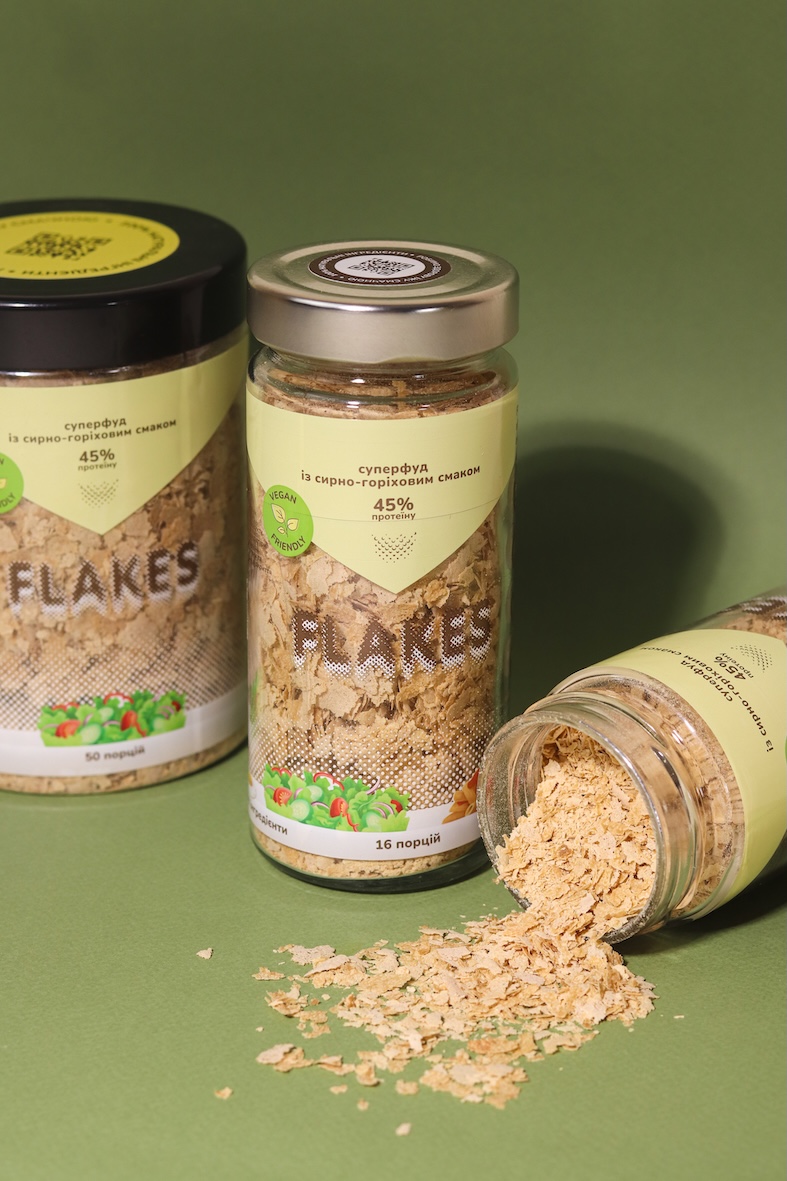
Speaking in the context of Enzym Group, yeast extracts and other yeast ingredients not only fit well into global trends due to their natural multifunctionality, but are already becoming a solution for the market. They allow you to enhance taste, reduce the need for salt and add nutritional value without a radical change in production technology. Such ingredients are increasingly used not only in traditional products, but also in snacks, ready-made drinks and functional food solutions.
One example of the adaptation of global experience in Ukraine is yeast Flakes. This is a product well known in international markets, which the Enzym Group R&D team adapted to the local consumer context. Flakes are a source of vegetable protein, beta-glucans, essential amino acids and B vitamins.
Yeast proteins may be the next logical step in development. Modern biotechnologies allow to significantly increase the concentration of protein in the yeast cell, while preserving other valuable components. This opens up prospects for sports, functional and specialized nutrition.

What does this mean for Ukrainian business?
The Ukrainian food market has historically been oriented towards a balance between price and volume. Cost remains critically important, but global competition is gradually shifting the focus towards product value. European regulatory requirements, demand for transparent ingredients and functional properties are becoming the new rules of the game. In this system of coordinates, biotechnology is not an experiment or a trend, but a tool for increasing competitiveness.
For manufacturers, this means several practical steps:
- consider ingredients as part of the value proposition, and not just a cost item;
- choose multifunctional solutions that combine taste and nutrition;
- design recipes immediately with a clean label in mind;
- collaborate with technology partners who have scientific expertise.