Для того, щоб актуалізувати інформацію у розділі досьє або компанії, надішліть поновлені дані на пошту data@latifundistmedia.com
Lockheed Martin
Development and production of aerospace and naval military equipment, air and missile defense systems, software, and information security solutions
Країна: США
Lockheed Martin Corporation is an American aerospace and defense company and one of the world’s largest developers and manufacturers of weapons, military equipment, and high-tech systems. The company specializes in the development of combat aircraft, helicopters, missile systems, satellites, spacecraft, air and missile defense systems, naval combat systems, electronic warfare systems, as well as software and cybersecurity solutions.
Lockheed Martin is one of the largest contractors for the U.S. Department of Defense and supplies its products to the U.S. Armed Forces, government agencies, space agencies, and customers in more than 50 countries worldwide.
Year founded: Lockheed Martin Corporation was formed through the merger of Lockheed Corporation and Martin Marietta in 1995.
Chairman, president and CEO: James D. Taiclet.
Number of employees: According to the annual report, as of the end of 2025, the corporation employed approximately 123,000 people.
Geographic reach: The company operates in more than 50 countries worldwide.
Stock exchange: New York Stock Exchange (NYSE). Ticker symbol: LMT.
Lockheed Martin Business Profile
Lockheed Martin Corporation is a global aerospace and defense technology company. Its operations include:
- aviation,
- missile and defense systems,
- helicopter systems,
- maritime and land-based electronic systems,
- spacecraft,
- satellites,
- information technology and cybersecurity.
The company’s primary customers are U.S. government agencies and government customers in allied countries.
Organizationally, Lockheed Martin divides its operations into four business segments:
- Aeronautics,
- Missiles and Fire Control (MFC),
- Rotary and Mission Systems (RMS)
- Space.
Market capitalization as of August 6, 2026: Over $100 billion (a dynamic figure, depending on the current stock price).
Video source: Lockheed Martin YouTube channel
Main Areas of Activity
Aeronautics
The Aeronautics segment is engaged in research, design, development, production, integration, modernization, and technical support for military aircraft and related technologies. The segment’s areas of focus include combat aircraft, military transport aircraft, unmanned aerial systems, and advanced aviation technologies. In addition to public programs, the division carries out classified contracts for the U.S. government.
Aeronautics is one of Lockheed Martin’s key sources of business. In 2025, the company’s largest aviation program accounted for 27% of the corporation’s total revenue and 67% of the Aeronautics segment’s sales.
Aeronautics includes the Advanced Development Programs (ADP) division, known under the Skunk Works® brand. It focuses on advanced aviation systems, rapid prototyping, manned and unmanned platforms, air superiority technologies, hypersonic research, reconnaissance and surveillance, situational awareness, and air mobility.
Missiles and Fire Control
The Missiles and Fire Control (MFC) segment develops and manufactures air and missile defense systems, precision-guided and tactical systems, fire control systems, and sensor suites. In addition to manufacturing equipment, the division provides logistics, engineering, integration, and operational services. MFC also participates in classified U.S. government programs.
MFC’s major business areas include air and missile defense systems, precision-guided systems, fire control systems, infrared target detection and tracking systems, logistics support for special operations, and hypersonic technology programs.
Rotary and Mission Systems
Rotary and Mission Systems (RMS) encompasses the helicopter division, radar systems, laser systems, naval and aviation combat and information systems, command and control systems, cyber solutions, simulators, training, and maintenance of naval platforms.
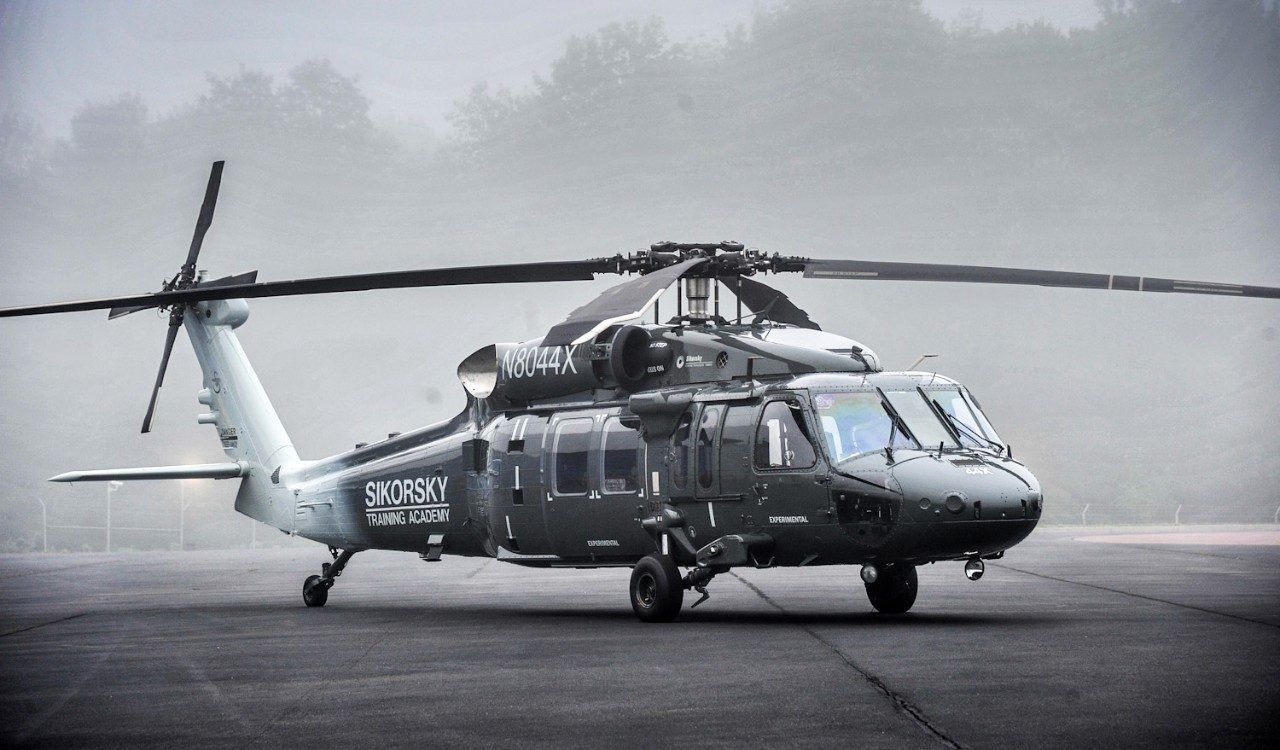
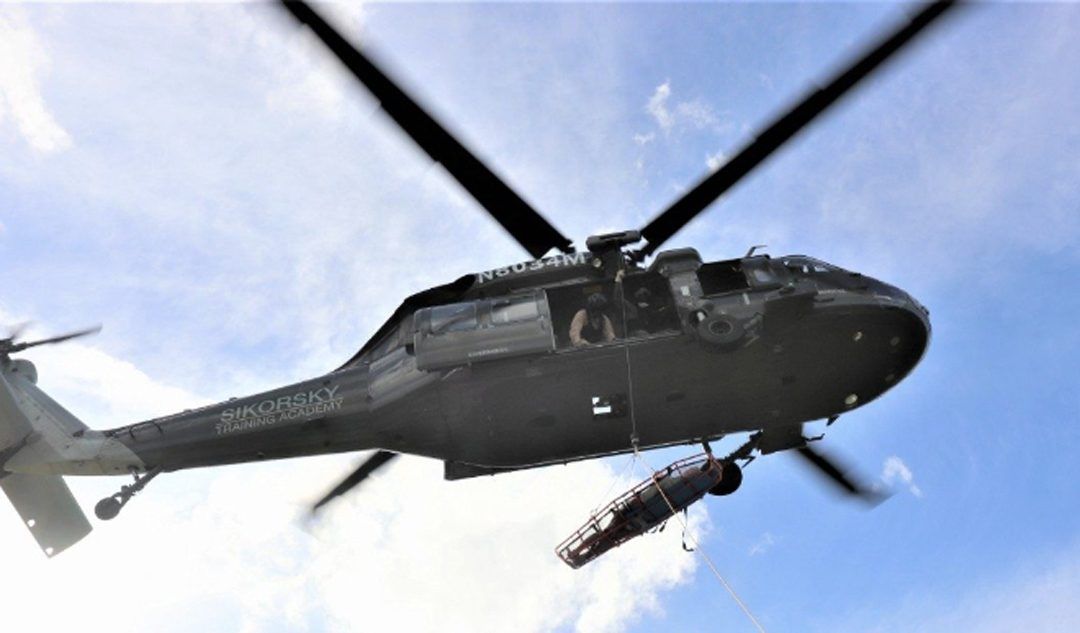
The company’s helicopter business is primarily represented by Sikorsky, whose products are used by government and commercial operators in many countries. The official Lockheed Martin catalog states that Sikorsky supplies military and rotary-wing aircraft to all five branches of the U.S. Armed Forces, as well as to military and commercial operators in approximately 40 countries.
RMS also includes divisions focused on integrated maritime systems and sensors, command and control, intelligence and surveillance, cyber systems, training, logistics, and simulation. As of January 2026, the company reorganized part of RMS: the former Integrated Warfare Systems and Sensors and C6ISR divisions were transformed into Sensors, Effectors & Mission Systems (SEMS) and Mission Integrated Command and Control (MIC2).
Space
The Space segment is engaged in the research, development, design, and manufacture of satellites, space launch systems, and other space and strategic systems. The division also develops ground-based and space-based information systems that enable the collection, analysis, and secure transmission of data. A significant portion of Space’s activities relates to U.S. national security and includes classified programs.
At the same time, Lockheed Martin is active in the civil space sector. The company is NASA’s prime contractor for the Orion crewed spacecraft, which is used in the Artemis program.
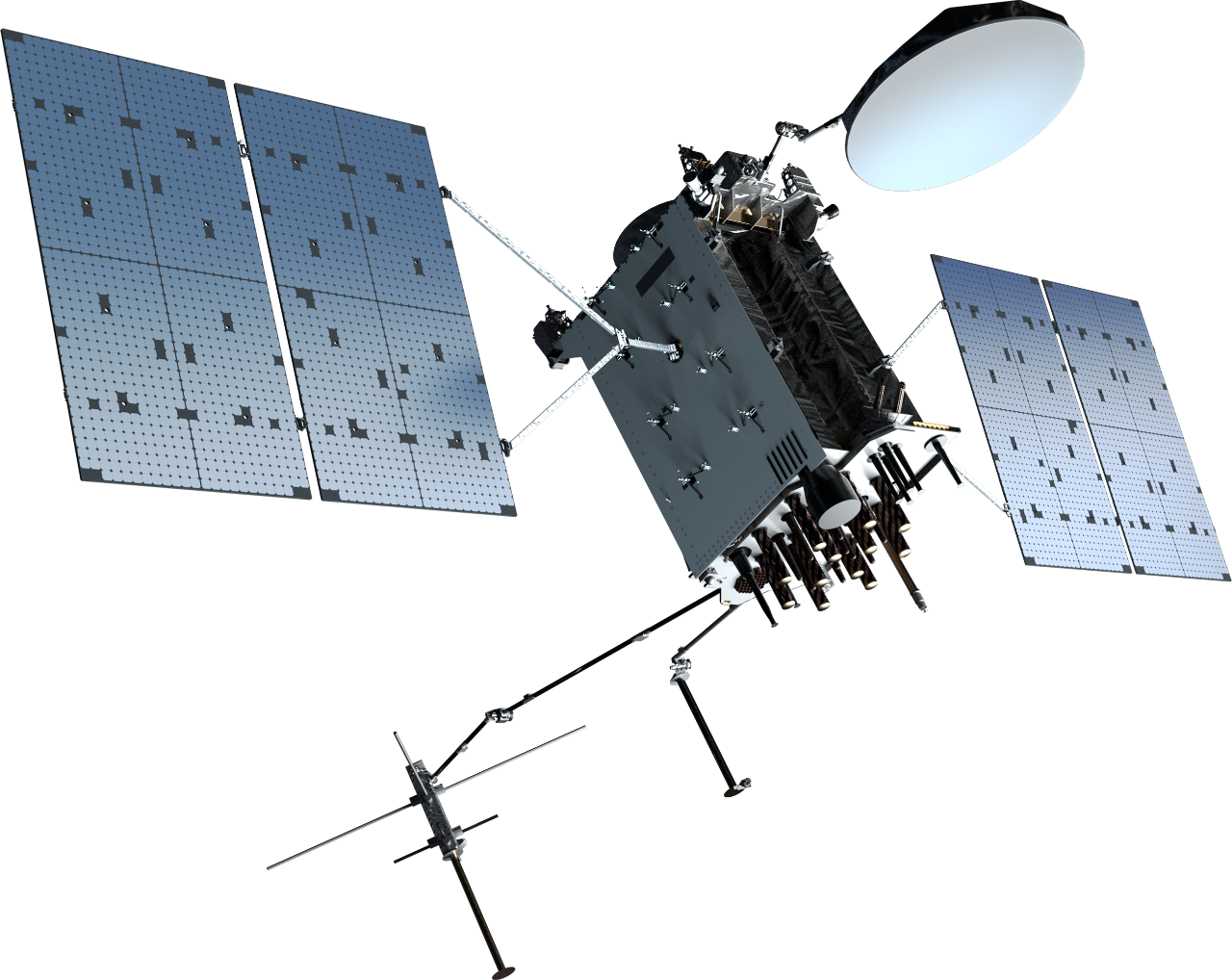
Another major area of focus is satellite navigation systems. Lockheed Martin is building the next-generation GPS III and GPS IIIF satellites for the U.S. Space Force. The company has reported that it holds a contract for satellites up to the 24th next-generation unit.
Key Products and Services
Lockheed Martin’s product portfolio is broad and encompasses off-the-shelf platforms, electronic systems, software, and long-term maintenance.
| Category | Main Products and Services |
| Military Aviation | Combat aircraft, military transport aircraft, next-generation manned and unmanned aerial systems |
| Helicopters | Sikorsky military, search-and-rescue, and specialized helicopters |
| Air Defense (AD) and Missile Defense (MD) | Air and missile defense systems, sensors, and control systems |
| High-precision systems | Tactical and high-precision systems of various classes |
| Radar and Sensors | Radar, infrared systems, laser systems, surveillance and detection equipment |
| Naval systems | Shipboard combat information systems, sensors, integration, and technical support for surface and submarine platforms |
| Command and Control | Communications, information processing, situational awareness, and control systems |
| Cybersecurity | Protection of information systems and networks; cybersecurity solutions for government customers |
| Spacecraft | Satellites for military, navigation, reconnaissance, and scientific purposes |
| Manned Spaceflight | The Orion spacecraft and related systems |
| Navigation systems | GPS III/IIIF satellites and ground infrastructure |
| Training and simulation | Simulators, modeling, and personnel training |
| Maintenance | Repair, modernization, procurement, logistics, and lifecycle support |
Some of Lockheed Martin’s most recognizable products, based on production scale, export volume, and the product’s significance to the company’s business:
Military Aviation
- F-35 Lightning II
- F-16 Fighting Falcon
- F-22 Raptor
- C-130J Super Hercules
Sikorsky Helicopters
- UH-60 Black Hawk
- S-70i Black Hawk
- CH-53K King Stallion
- S-92
Missile and Artillery Systems
- HIMARS
- M270 Multiple Launch Rocket System (MLRS)
Air and Missile Defense Systems
- PAC-3 Missile Segment Enhancement (PAC-3 MSE)
- THAAD (Terminal High Altitude Area Defense)
Tactical Missile Systems
- Javelin Anti-Tank Missile System
- AGM-114 HELLFIRE
- Joint Air-to-Ground Missile (JAGM)
- Joint Air-to-Surface Standoff Missile (JASSM)
- Long-Range Anti-Ship Missile (LRASM)
Naval and Strategic Systems
- Aegis Combat System
- Trident II D5 Fleet Ballistic Missile
Space Systems
- Orion Multi-Purpose Crew Vehicle.
The company derives a significant portion of its revenue not only from the initial production of equipment, but also from its subsequent modernization, repair, personnel training, logistics, and long-term support. In the aviation sector, for example, the growth in service sales in 2025 was primarily driven by an increase in the volume of contracts for technical support for the company’s largest aviation program.
Lockheed Martin’s Brands
Lockheed Martin is the main corporate brand, but within the group there are several historically independent and widely recognized names.
Sikorsky is Lockheed Martin’s helicopter brand. The company acquired Sikorsky Aircraft from United Technologies in 2015, after which the helicopter division became part of Rotary and Mission Systems.

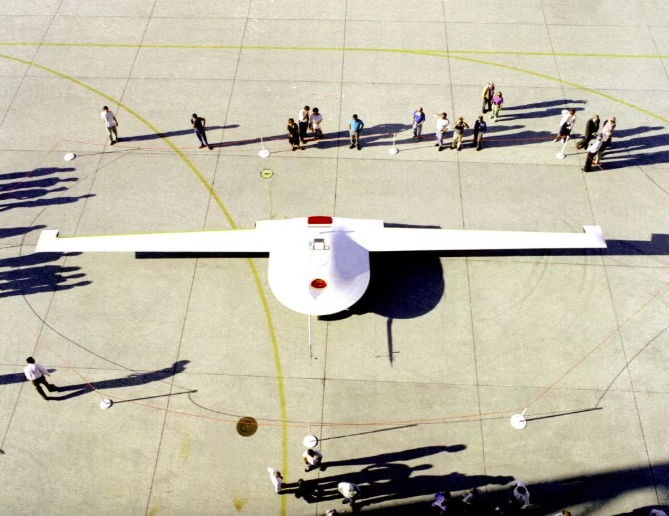
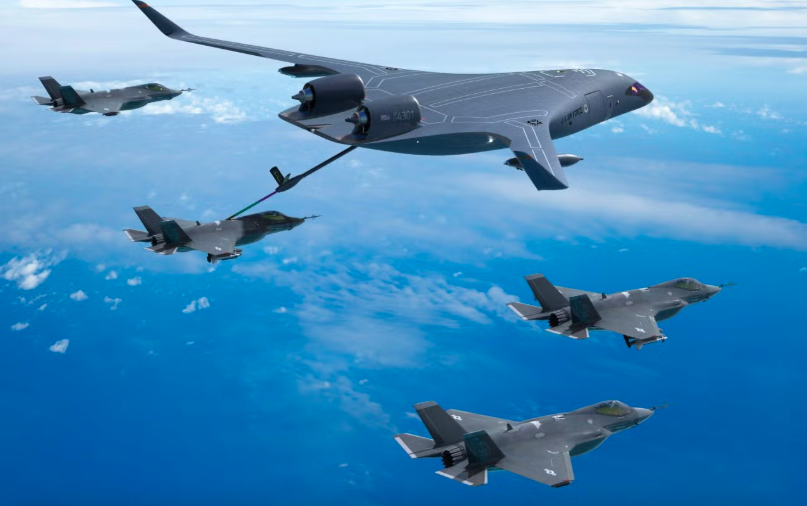
Skunk Works® is the brand of the Advanced Development Programs division, which focuses on cutting-edge aviation development. The history of Skunk Works dates back to 1943; today, the brand and its associated trademarks are owned by Lockheed Martin Corporation.
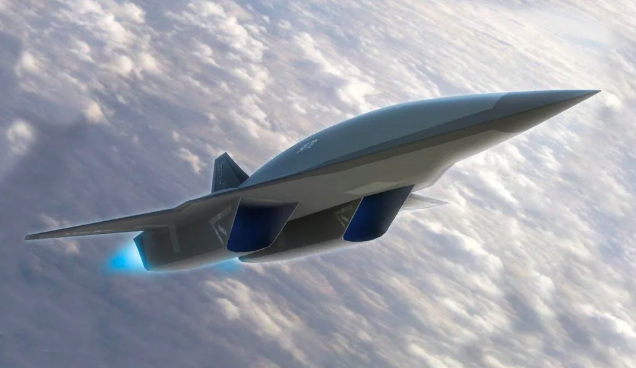
21st Century Security® is a corporate technology concept and a registered trademark of Lockheed Martin used to describe a strategy for integrating various platforms, sensors, software, and information networks into a compatible digital architecture.
Video source: Lockheed Martin YouTube channel
Geographic Footprint
Lockheed Martin remains predominantly an American company in terms of its workforce and production base. As of the end of 2025, approximately 93% of the corporation’s employees were based in the United States.
At the same time, the company’s business is global in nature. Lockheed Martin reports that it collaborates with more than 50 countries, and its international network comprises more than 7,800 employees and over 350 facilities outside its core U.S. operations.
Among the countries and markets that the company itself highlights separately within its international structure are Australia, Canada, Denmark, Germany, Greece, India, Israel, Japan, Poland, the Republic of Korea, Romania, Saudi Arabia, Singapore, Spain, Taiwan, and the United Arab Emirates.
International operations are conducted primarily in two ways: through the U.S. Foreign Military Sales (FMS) program and through direct commercial sales to foreign government customers. In 2025, approximately 77% of Lockheed Martin’s international sales came from FMS, while about 23% came from direct sales.
In 2025, international customers accounted for about 36% of Aeronautics sales, 29% of MFC sales, and 34% of RMS sales. International revenue from the Space segment was not material for the corporation that year.
Manufacturing Capabilities
Lockheed Martin has one of the largest manufacturing and engineering infrastructures among aerospace and defense companies worldwide.
As of December 31, 2025, the company owned or leased facilities — including plants, offices, warehouses, service centers, and laboratories — at 333 sites, primarily in the United States. Additionally, Lockheed Martin operated or used nine facilities owned by the U.S. government.
The total area of facilities used by the company was approximately 66.5 million square feet, or about 6.18 million m². Of this, 35.4 million ft² were owned by the company, 14.1 million ft² were leased, and 17.0 million ft² were government-owned facilities.
Aeronautics’ key centers include Fort Worth (Texas), Marietta (Georgia), Palmdale (California), and Greenville (South Carolina). Fort Worth has a large aircraft assembly line; Marietta specializes in military transport aircraft and aircraft structures; Palmdale serves as the home base for Skunk Works; Greenville is engaged in the production, repair, and modernization of aircraft.
Major Missiles and Fire Control sites are located, among other places, in Troy (Alabama), Camden (Arkansas), Ocala and Orlando (Florida), Lexington (Kentucky), and Grand Prairie (Texas).
The main Rotary and Mission Systems sites are located in Stratford, Connecticut; Orlando, Florida; Moorestown/Mt. Laurel, New Jersey; Owego and Syracuse, New York; Manassas, Virginia; and Mielec, Poland.
Space’s major facilities are located in Huntsville (Alabama), Sunnyvale (California), Denver (Colorado), Cape Canaveral (Florida), and Valley Forge (Pennsylvania).
Major Customers
Lockheed Martin’s largest customer is the U.S. government. In 2025, it accounted for 72% of the corporation’s revenue of $75.0 billion, with approximately 63% of total sales related to the U.S. Department of Defense. International customers accounted for the remaining 28% of sales, including deliveries under the Foreign Military Sales program.
Thus, Lockheed Martin’s business model is characterized by a very high dependence on government funding and U.S. defense budgets.
The company’s main customer categories include:
- defense agencies and various branches of the U.S. Armed Forces;
- the U.S. Space Force;
- NASA;
- other U.S. federal agencies;
- governments and armed forces of allied nations;
- to a much lesser extent, commercial customers.
The company explicitly states that its primary customers are government agencies in the U.S. and allied nations.
In the civilian space sector, one of the most prominent customers is NASA: Lockheed Martin is the prime contractor for the Orion spacecraft under the Artemis program.
In the space navigation sector, the U.S. Space Force is the customer for the GPS III and GPS IIIF satellites.
The scale of the company’s future contractual obligations is reflected in its order backlog: as of December 31, 2025, it reached $193.6 billion, up from $176.0 billion a year earlier. Of this amount, $120.2 billion consisted of the funded order backlog.
Research and Development
Research and development (R&D) is one of the fundamental components of Lockheed Martin’s business.
The company conducts R&D both with its own funds (Independent Research and Development, IR&D) and under contracts funded by customers. According to Form 10-K, research encompasses fundamental and applied work, the development of new concepts, design, development, and testing. Its goal is to modernize existing products and create technologies for the future.
One of its specialized research units is Lockheed Martin Advanced Technology Laboratories (ATL) — a center for applied research and development. ATL works in the fields of artificial intelligence, autonomous systems, robotics, command and control, human-machine interaction, spectral technologies, next-generation computing, and cybersecurity.
According to the company itself, ATL has more than 320 employees, operates through three main research facilities, and has a history of research and development spanning more than 90 years. The laboratory’s clients and partners include U.S. government research agencies, the armed forces, DARPA, and IARPA.
Another key innovation center is Skunk Works, which specializes in advanced aviation technologies and accelerated prototype development. The division’s current research includes autonomous systems, artificial intelligence and machine learning, open software architecture, and the integration of various platforms into information networks.
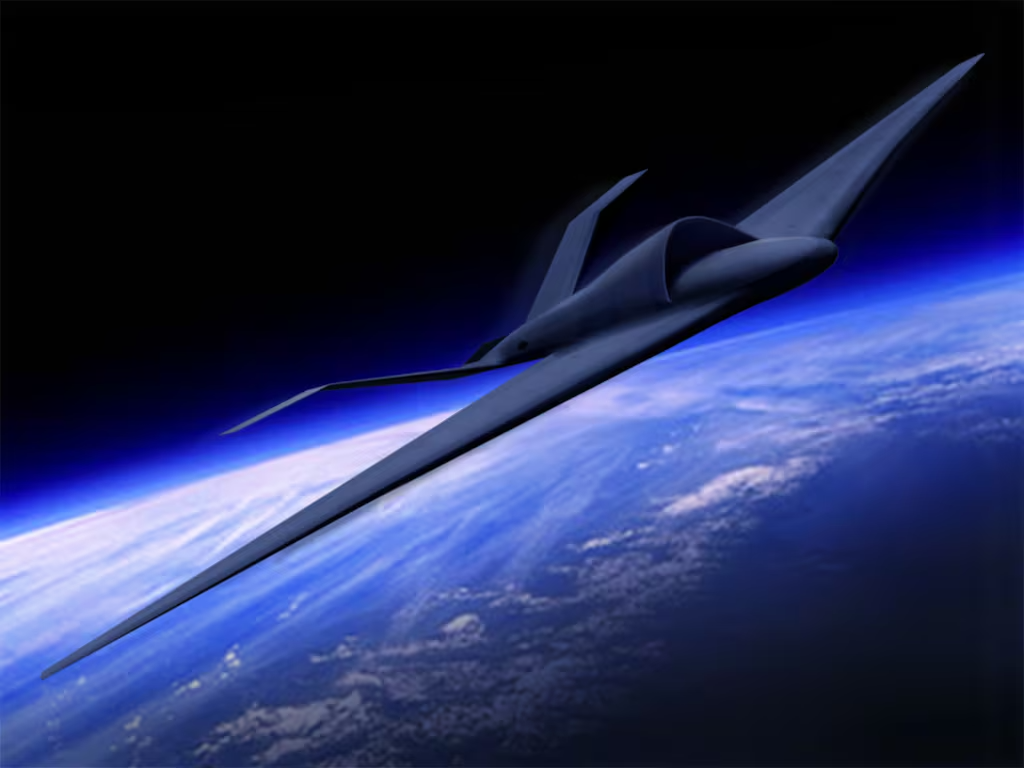
At the corporate level, Lockheed Martin identifies the following as promising technological areas:
- artificial intelligence and machine learning,
- autonomy,
- quantum technologies,
- hypersonic technologies,
- cybersecurity,
- advanced computing,
- information integration
- and digital architectures.
The company is also building its own digital infrastructure for research. Specifically, it has developed an in-house AI Factory—an ecosystem for developing and implementing artificial intelligence solutions that integrate computing infrastructure, data, software tools, and AI security mechanisms.
In 2024, the company additionally deployed its own secure generative AI platform, LMText Navigator, for its U.S. divisions, designed, in particular, for data analysis, software code development, and the automation of internal business processes.
The large scale of its scientific and technical base is also reflected in its workforce: of Lockheed Martin’s approximately 123,000 employees as of the end of 2025, about 72,000 were engineers, scientists, and information technology specialists.
Overall, Lockheed Martin’s research and development model combines its own investments in promising technologies, research conducted under government contracts, the work of specialized laboratories and divisions, and collaboration with universities, government research organizations, technology companies, and startups. This approach allows the corporation to simultaneously modernize its existing product lines and develop technologies for future defense, aviation, and space programs.
Video source: CNBC Television
Lockheed Martin Finance
Lockheed Martin derives the majority of its revenue from long-term contracts with government customers. In 2025, the corporation’s sales totaled $75.048 billion, operating income was $7.731 billion, net income was $5.017 billion, and cash flow from operating activities was $8.557 billion.
As of December 31, 2025, Lockheed Martin’s assets totaled $59.840 billion, and shareholders’ equity was $6.721 billion.
The U.S. government remained the largest customer, accounting for 72% of Lockheed Martin’s sales in 2025, including 63% of total sales attributable to the U.S. Department of Defense.
Financial Indicators
The key publicly disclosed financial indicators for 2021–2025 are presented below. All monetary amounts in the table are given in millions of U.S. dollars without additional rounding.
| Year | Revenue | Operating Income | Net Income | Assets | Equity | Operating Cash Flow |
| 2021 | 67,044 | 9,123 | 6,315 | 50,873 | 10,959 | 9,221 |
| 2022 | 65,984 | 8,348 | 5,732 | 52,880 | 9,266 | 7,802 |
| 2023 | 67,571 | 8,507 | 6,920 | 52,456 | 6,835 | 7,920 |
| 2024 | 71,043 | 7,013 | 5,336 | 55,617 | 6,333 | 6,972 |
| 2025 | 75,048 | 7,731 | 5,017 | 59,840 | 6,721 | 8,557 |
In 2025, 72% of $75.048 billion in sales came from the U.S. government; the company attributed 63% of its total sales to the U.S. Department of Defense.
Lockheed Martin also works with international government customers both directly and through the Foreign Military Sales program.
As of December 31, 2025, Lockheed Martin’s total short- and long-term debt, net of unamortized discounts and issuance costs, amounted to $21.700 billion.
Investments and Acquisitions
Lockheed Martin states that it regularly considers acquisitions, asset sales, joint ventures, and equity investments as part of its corporate strategy. [SEC Form 10-K 2025]
Terran Orbital
On October 30, 2024, Lockheed Martin completed the acquisition of Terran Orbital Corporation. The purchase consideration amounted to $314 million.
Of this amount, $83 million represented the value of an investment previously held by Lockheed Martin, and the remaining $231 million was paid in cash, net of cash acquired.
As a result of the purchase price allocation, Lockheed Martin recognized $298 million in goodwill.
Rapid Solutions
In the second quarter of 2025, Lockheed Martin paid $360 million in cash to acquire the Rapid Solutions business from Amentum.
As a result of the initial allocation of the purchase price, the company recognized $195 million in goodwill.
The annual financial statements also reflect an increase in goodwill of $217 million resulting from acquisitions in 2025.
Investments in Technology Companies
As of December 31, 2025, the carrying value of Lockheed Martin’s investments in companies developing technologies applicable to its business was $669 million, compared to $600 million as of December 31, 2024.
Shareholders and Dividends
Lockheed Martin’s largest shareholders are those holding more than 5% of the shares.
| Shareholder | Number of Shares | Percentage of Shares Outstanding |
| State Street Corporation | 37,056,708 | 15.8% |
| The Vanguard Group | 22,098,899 | 9.4% |
| BlackRock, Inc. | 18,292,313 | 7.8% |
| Total for the three largest shareholders | 77,447,920 | 33.0% |
In 2025, Lockheed Martin actually paid out $3.131 billion in dividends. In 2024, cash dividends totaled $3.059 billion, and in 2023, $3.056 billion. [SEC Form 10-K 2025]. On a per-share basis, the company reports dividends of $13.35 for 2025, $12.75 for 2024 and $12.15 for 2023.
Lockheed Martin in the Rankings
Ranked 59th on the Fortune 500 (2025). Largest U.S. companies by revenue.
Ranked 251st on the Fortune Global 500 (2025). The world’s largest companies by revenue.
Lockheed Martin is included in the list of the World’s Most Admired Companies (Fortune, 2025).
Lockheed Martin is included in the Forbes Global 2000 list (2025).
Lockheed Martin’s Social Responsibility
Philanthropy
Lockheed Martin’s philanthropic activities are primarily carried out through environmental and community partnerships, according to the 2025 Sustainability Performance Report.
Lockheed Martin partners with The Nature Conservancy (TNC). Over the five-year cycle of its Sustainability Management Plan, the company allocated $4.9 million to support TNC projects related to nature-based carbon removal solutions, coastal restoration, land conservation, and reforestation.
The company notes that during the period under review, it increased its support for carbon removal and local community development projects; however, the goal of increasing such investments annually was deemed only partially achieved, as funding was allocated to specific projects rather than based on an annual increase in spending.
In 2025, Lockheed Martin continued to support a project in Maryland aimed at the sustainable management of agricultural lands and the adaptation of local communities to sea-level rise in the Middle Chesapeake Sentinel Landscape.
Education and Development
One of Lockheed Martin’s educational initiatives is the Ethics in Engineering Case Competition. In 2025, the 8th annual competition took place, with more than 200 students and faculty advisors from U.S. educational institutions participating. Participants analyzed a business ethics case study related to the use of artificial intelligence and human involvement in wildfire management.
The company also reported that mandatory training for specialists on the ethical and responsible use of artificial intelligence was launched in 2024.
In 2025, as part of Lockheed Martin’s digital transformation program, AI hackathons were held, during which more than 500 AI Champions received training.
Environment
Greenhouse Gas Emissions
Lockheed Martin has set a goal to reduce absolute Scope 1 and Scope 2 greenhouse gas emissions by 36% by 2030 compared to the 2020 baseline. By the end of 2025, the reduction stood at 17%.
Net Scope 1 + Scope 2 Market-Based emissions in 2025 totaled 654,334 metric metric tons of CO₂ equivalent, compared to 683,221 metric metric tons in 2024.
Waste
In 2025, Lockheed Martin generated 51,500,327 pounds of waste, of which 28,018,758 pounds were recycled. The recycling rate was 54%, and the landfill disposal rate was 25%.
The volume of hazardous waste in 2025 was 6,253,258 pounds.
History of Lockheed Martin’s Development
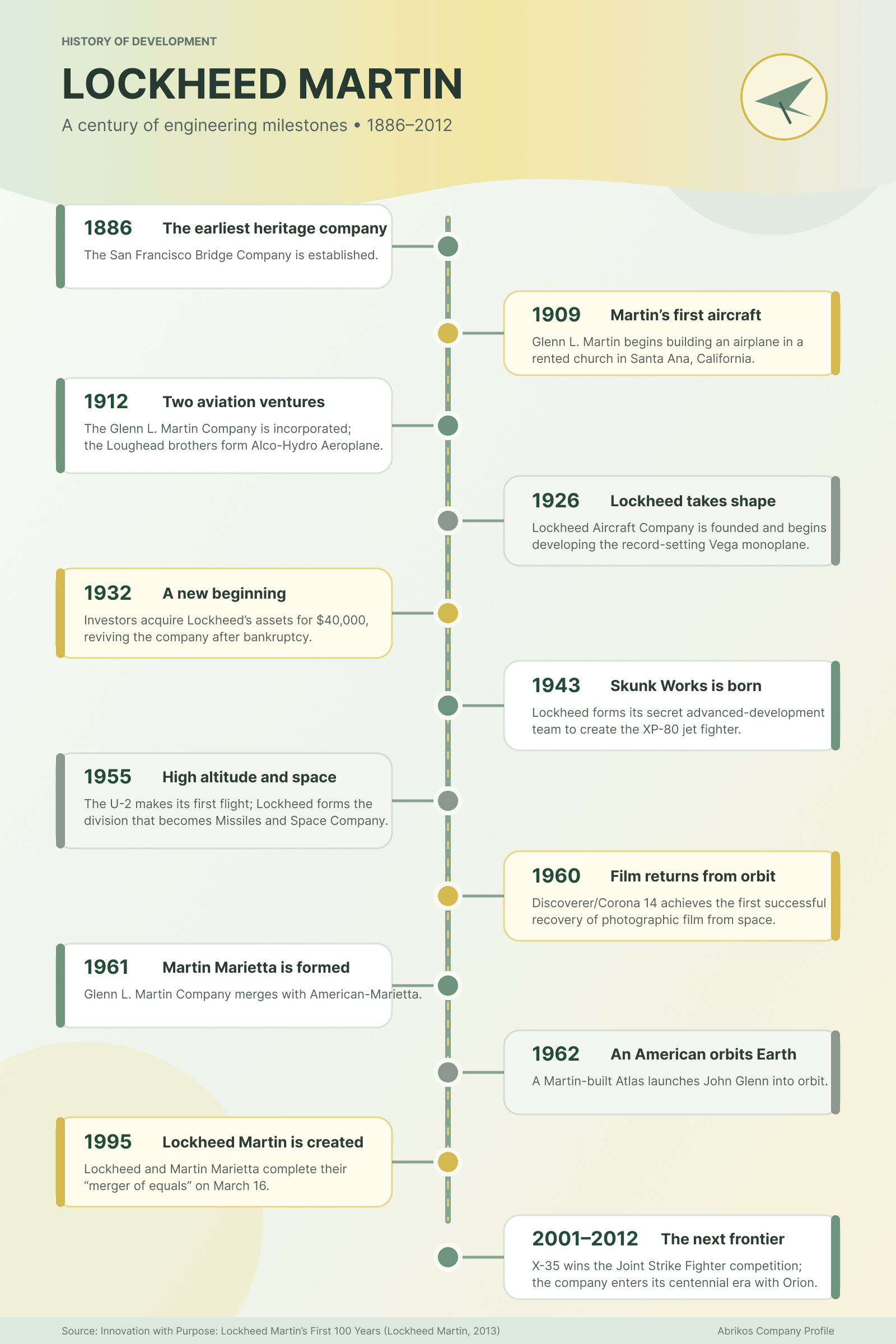
1886 – The San Francisco Bridge Company, the earliest of Lockheed Martin’s heritage companies, was established.
1909 – Glenn L. Martin began building his first aircraft in a rented church in Santa Ana, California.
August 1, 1910 – Glenn Martin successfully flew his first airplane, marking the beginning of his career as an aviation pioneer.
August 16, 1912 – The Glenn L. Martin Company was formally incorporated in Los Angeles.
December 19, 1912 – Allan and Malcolm Loughead incorporated the Alco-Hydro Aeroplane Company to develop and operate their Model G seaplane.
1916 – The Loughead brothers established the Loughead Aircraft Manufacturing Company in Santa Barbara, California.
1919 – The Loughead company developed the experimental S-1 Sportplane and introduced an innovative process for producing molded plywood fuselages.
December 1926 – The Lockheed Aircraft Company was established. Its first major project was the Vega, an advanced high-speed monoplane.
1927 – The Lockheed Vega completed its first flight and soon became famous for setting numerous speed, distance, and altitude records.
1929 – Lockheed became part of the Detroit Aircraft Corporation, while the Glenn L. Martin Company opened a major manufacturing plant in Middle River, Maryland.
June 21, 1932 – A group of investors purchased Lockheed’s assets for $40,000, allowing the company to recover from bankruptcy and begin a new period of growth.
1937–1945 – Lockheed and Martin expanded rapidly as major manufacturers of military aircraft. During World War II, they produced aircraft such as the P-38 Lightning, Hudson, B-26 Marauder, and PBM Mariner.
June 1943 – Lockheed established the secret development unit that became known as the Skunk Works. Its first major project was the XP-80 jet fighter.
January 8, 1944 – The XP-80 completed its first flight after being designed and built in just 143 days.
1951 – Lockheed received the original contract for the C-130 Hercules and established the Lockheed-Georgia Company in Marietta, Georgia.
August 4, 1955 – Lockheed’s U-2 reconnaissance aircraft completed its first flight. In November, the company formed the division that later became Lockheed Missiles and Space Company.
August 19, 1960 – Lockheed’s Discoverer/Corona 14 mission successfully returned photographic film from space, demonstrating the potential of satellite reconnaissance.
1961 – The Glenn L. Martin Company merged with the American-Marietta Company to form Martin Marietta.
1962 – An Atlas launch vehicle built by Martin carried John Glenn into orbit, making him the first American to orbit Earth.
1965 – Mariner 4, launched using technologies from the company’s predecessors, transmitted the first close-up images of Mars.
1972 – Martin Marietta was selected to develop the external fuel tank for NASA’s Space Shuttle program.
1981 – The first Space Shuttle mission was completed using a Martin Marietta external tank, ushering in a new era of reusable human spaceflight.
1990 – The Hubble Space Telescope, whose support systems module was built by Lockheed, entered orbit and ushered in a new era of astronomical research.
August 1994 – Lockheed and Martin Marietta publicly announced their plan to complete a “merger of equals.”
March 16, 1995 – The merger officially created Lockheed Martin Corporation, combining the companies’ capabilities in aeronautics, electronics, information technology, space systems, and strategic missiles.
September 1996 – Lockheed Martin and Boeing formed the United Space Alliance to support NASA’s Space Shuttle program.
October 26, 2001 – Lockheed Martin’s X-35 was selected as the winner of the Joint Strike Fighter competition, leading to the development of the F-35 Lightning II.
August 2003 – The Spitzer Space Telescope, developed by Lockheed Martin, was launched to study the universe in infrared light.
2008 – NASA’s Phoenix Mars Lander, built by Lockheed Martin, confirmed the presence of water ice beneath the Martian surface.
2012–2013 – Lockheed Martin celebrated its first 100 years while expanding its operations in aeronautics, space exploration, global security, information systems, and cybersecurity.
Source: Innovation with Purpose: Lockheed Martin’s First 100 Years (GPT Chat)